
For you to learn a lesson, something or someone will have to pay the price and be sacrificed. — Kayo K.
And here, shipmates, is true and faithful repentance; not clamorous for pardon, but grateful for punishment.
— Herman Melville, Moby-Dick or, the Whale
Jesus paid it all,
All to Him I owe;
Sin had left a crimson stain,
He washed it white as snow.
— Elvina M. Hall, 1865
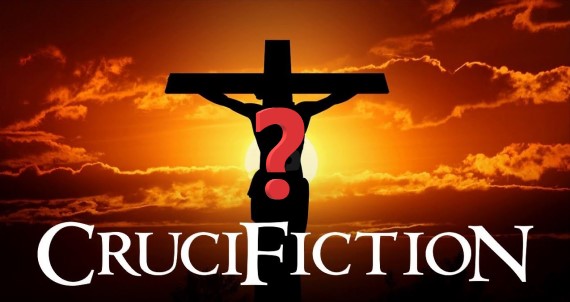
I’m in the process of writing the above titled article. I think it will go a long way to compare and contrast the concept of atonement in the three main monotheistic religions. In the meantime, I was at a friend’s house two days ago when I observed a decoration that related to a recent discussion with a Muslim friend @Milo Božovich on a YouTube video about the necessity of believing the Trinity as a requirement for salvation.

As a Christian, my take on soteriology is relatively simple: Man is not saved by his understanding of the theological definition of God, nor by what he does or fails to do (not directly at least), but by whether he has a relationship with Jesus Christ, the Messiah, which provides the motivation for everything he does.





 Failure is one of those topics that we don’t like to talk about. We would never consider planning for it, whether or not we believe the adage “If you fail to plan, plan to fail.” But failure is part of the human ethos, and understanding how and why we fail is important if we are to learn how not to fail. And how much more should we understand what can bring about the ultimate failure – the failure of a human life?